

Adapting to Climate Uncertainty through AI-Enabled Microbial System Design
December 8 - December 10
Cornell University – Ithaca, NY

Extreme weather events, including floods, hurricanes, droughts, and heatwaves, are placing unprecedented demands on agriculture and the built environment. Conventional approaches to infrastructure and agriculture are often designed for relatively static conditions and struggle to adapt to increasing climate uncertainty. Engineered microbial systems offer a fundamentally different approach. Living systems can sense, adapt, and respond to changing environmental conditions, and early applications such as microbial seed coatings, self-healing materials, and bioremediation are already demonstrating their potential. However, designing microbial systems with predictable, robust behavior remains beyond current engineering capabilities. AI offers a transformative opportunity to bridge this gap by enabling predictive modeling, autonomous experimentation, and multiscale design of complex living systems.
This Thought Summit will bring together leaders from AI, data science, microbiology, materials science, agriculture, architecture, and design to define a new vision for AI-enabled engineering of microbial systems. A central goal is to identify the computational advances needed to transform microbial engineering from an empirical process into a predictive design discipline, enabling robust microbial technologies for resilient agriculture, flood protection, and the built environment.
Participants will explore how advances in AI can accelerate every stage of microbial system design, from multiscale modeling of community behavior and autonomous experimentation to predictive design, optimization, and deployment. Particular emphasis will be placed on developing AI methods that can bridge molecular-scale biological processes with emergent community-level behavior and real-world environmental performance, creating a foundation for engineering microbial systems with predictable function and resilience.
The summit will produce a research roadmap outlining the highest-impact opportunities at the intersection of AI and microbial engineering, establish new interdisciplinary collaborations, and identify future directions for large-scale research initiatives. More broadly, it aims to define how AI can enable a new generation of living technologies that help society adapt to climate uncertainty. By integrating advances in artificial intelligence with engineered microbial systems, the workshop will lay the foundation for resilient technologies spanning agriculture, flood protection, and the built environment.
Organizers
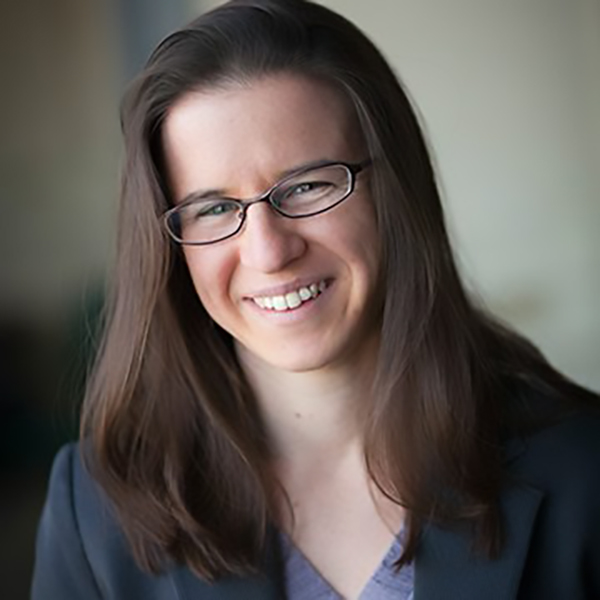
Meredith Silberstein
PI
Professor, Sibley School of Mechanical and Aerospace Engineering, Cornell Duffield Engineering
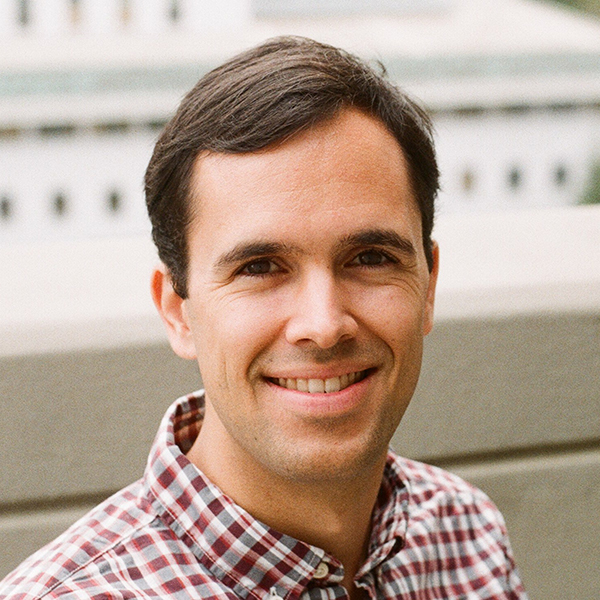

Adrienne Roeder
Co-PI
Professor, School of Integrative Plant Science, Plant Biology Section, Cornell CALS